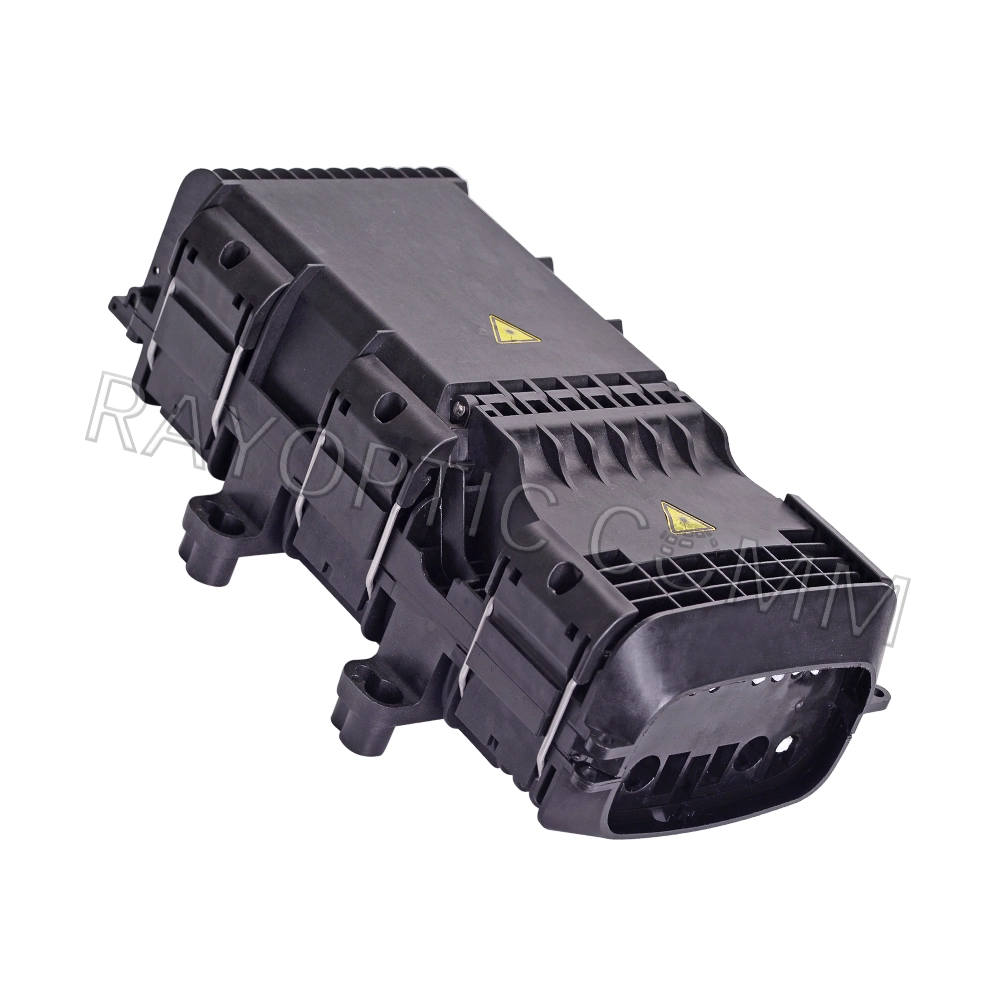
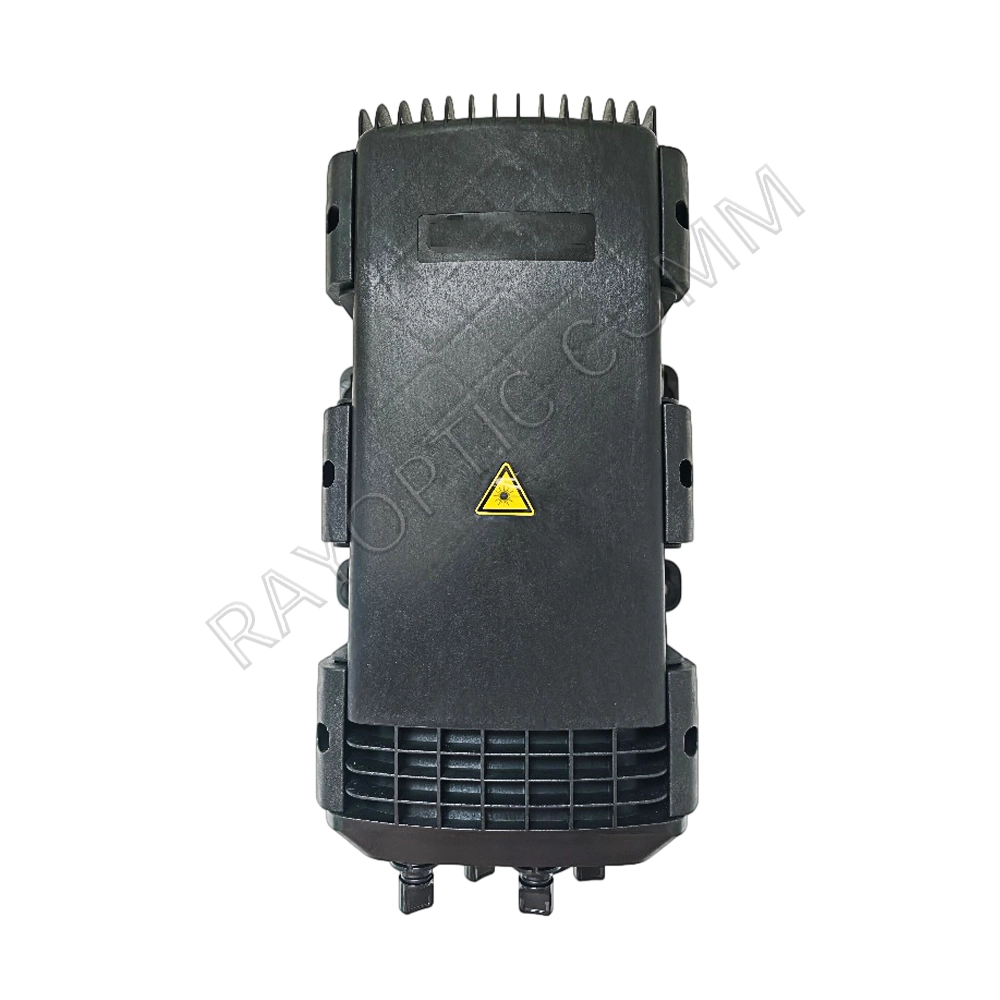
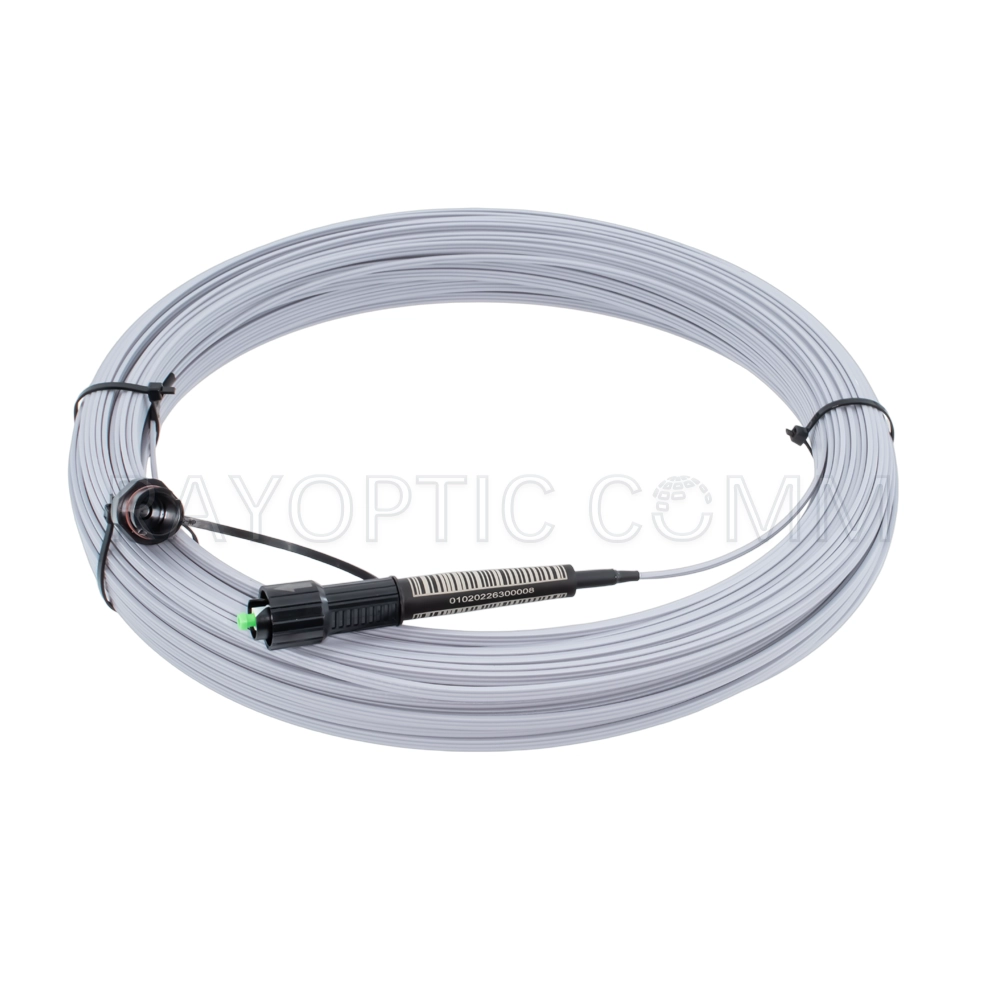
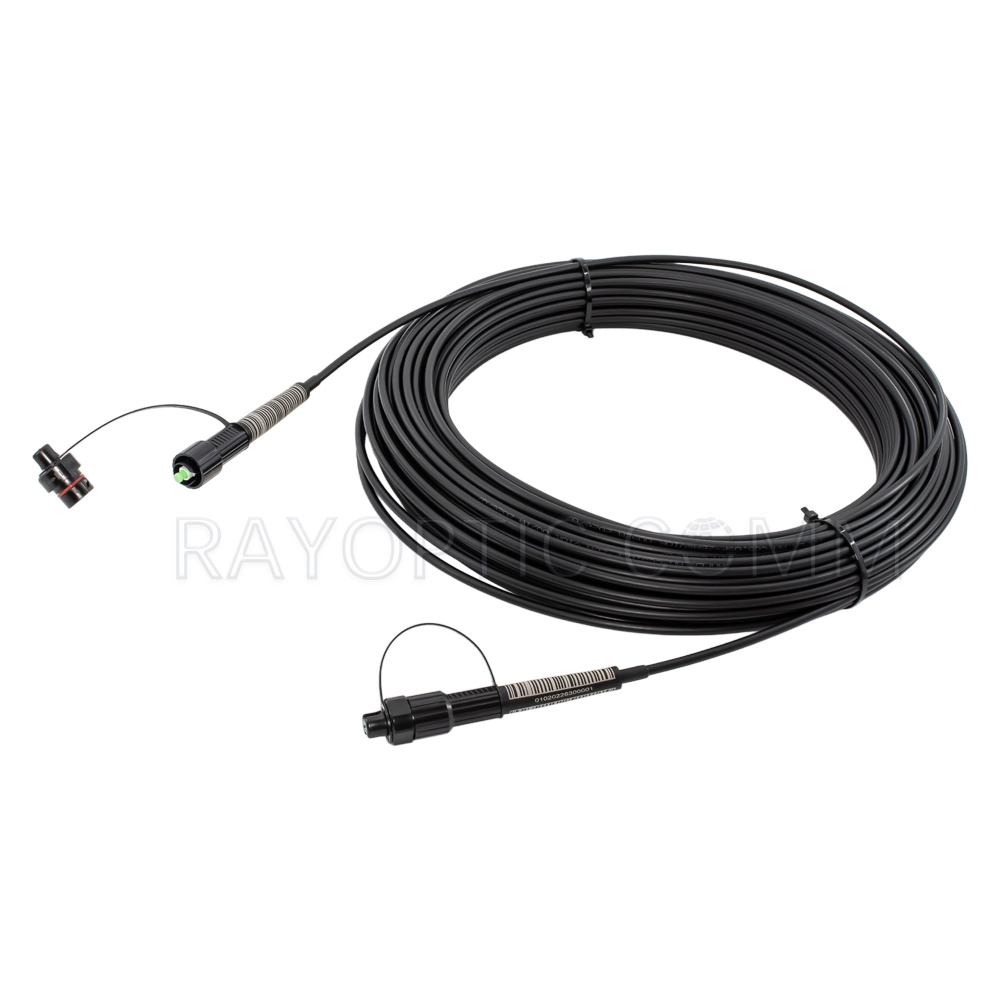
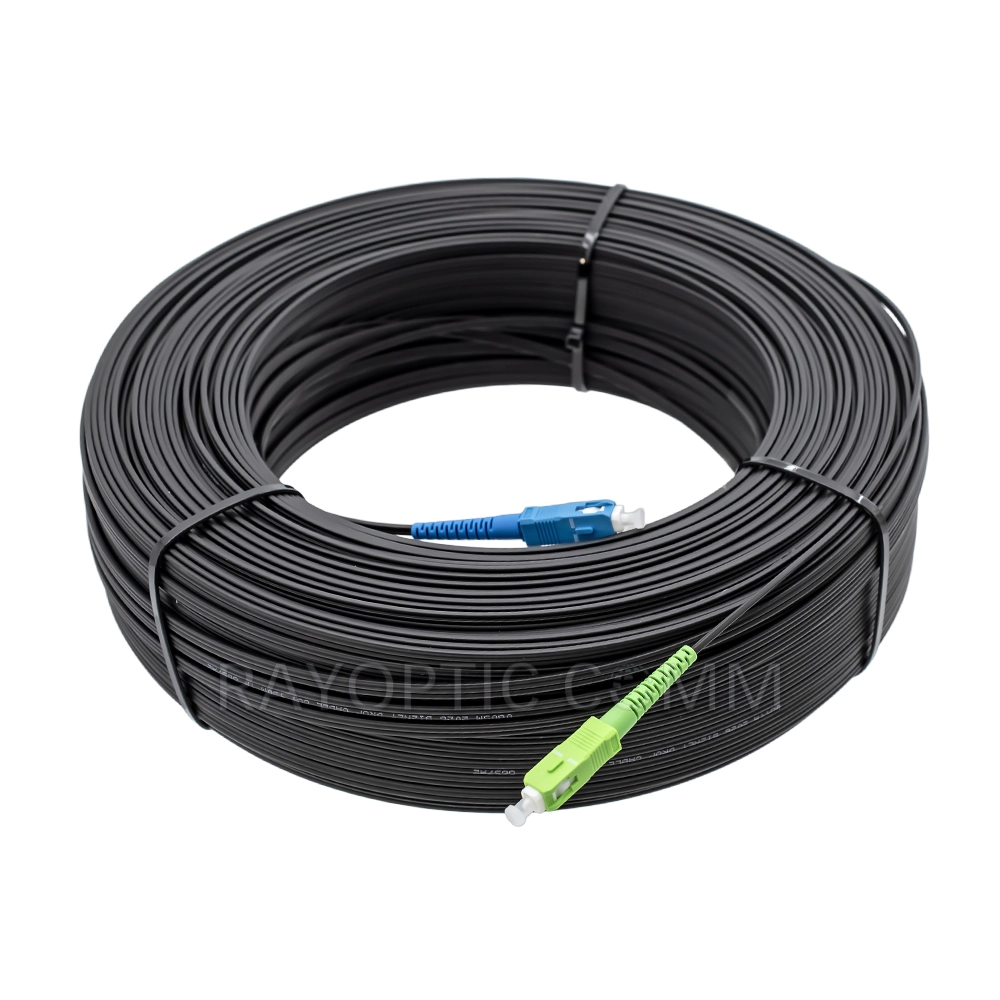
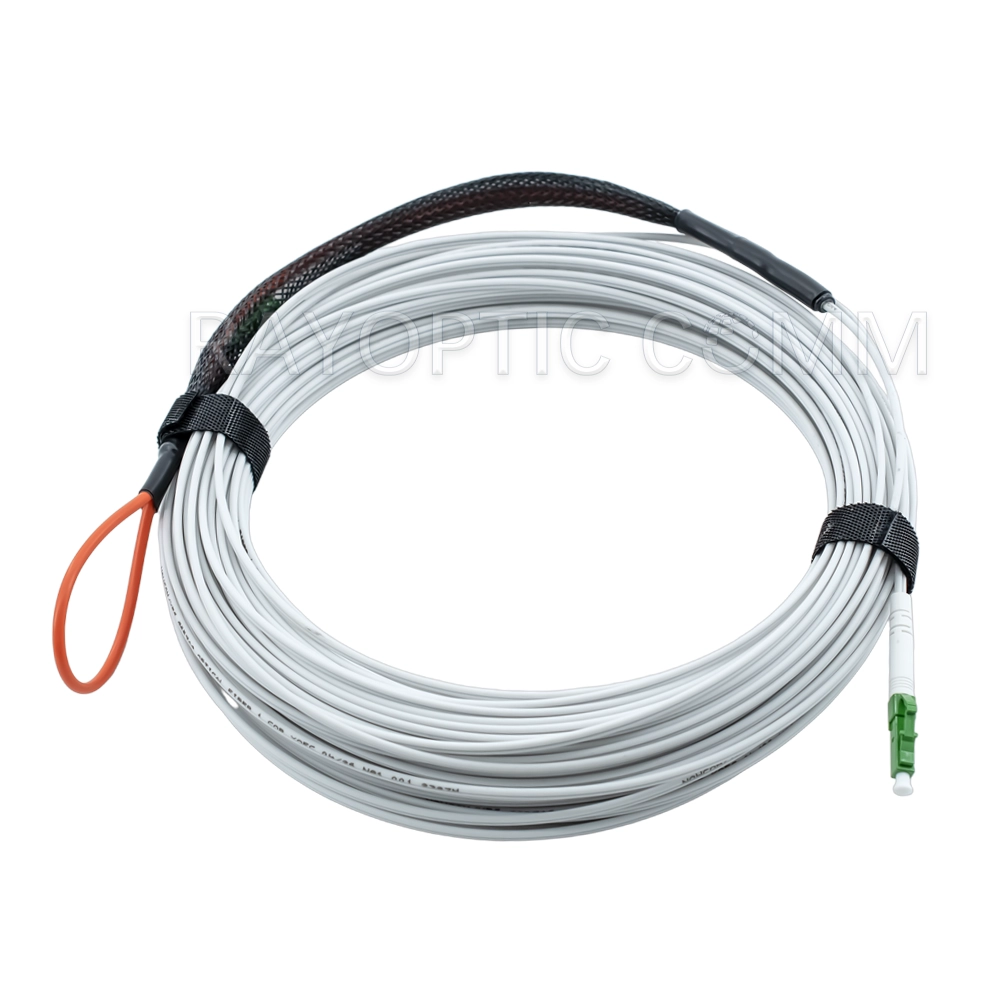
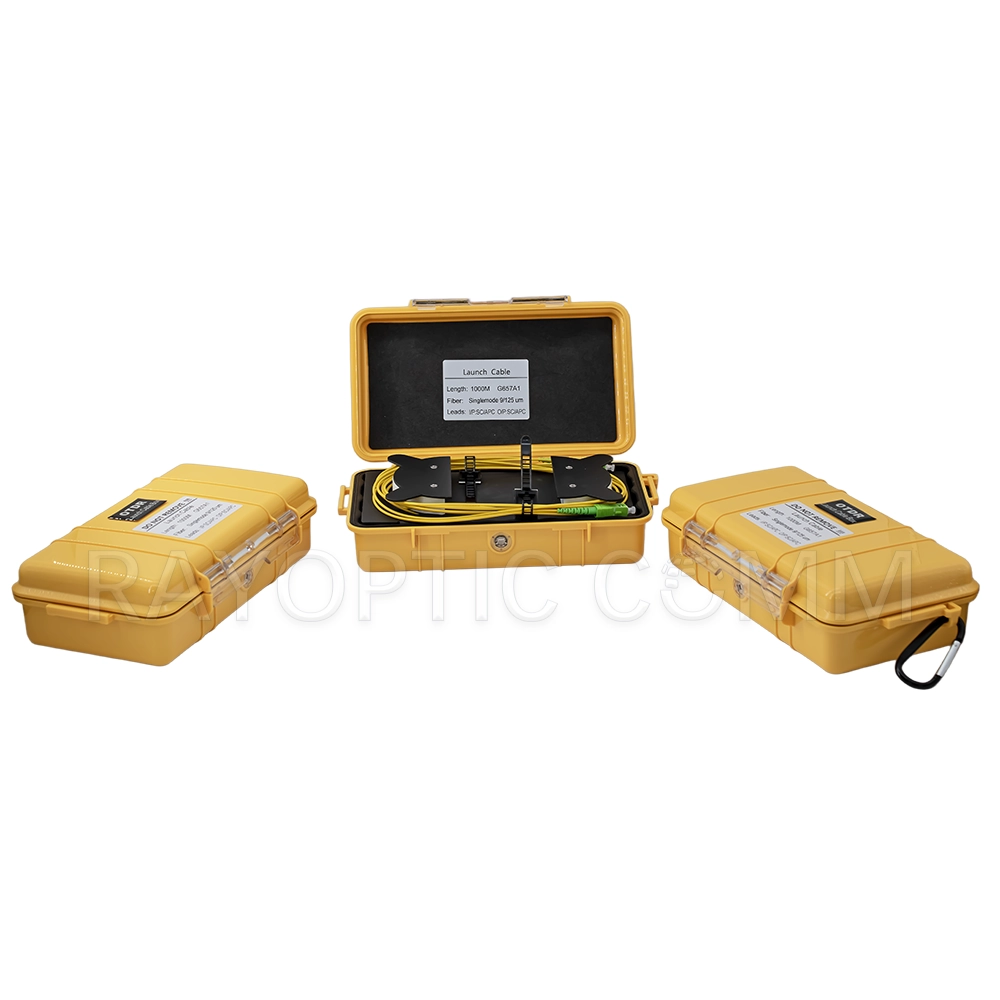
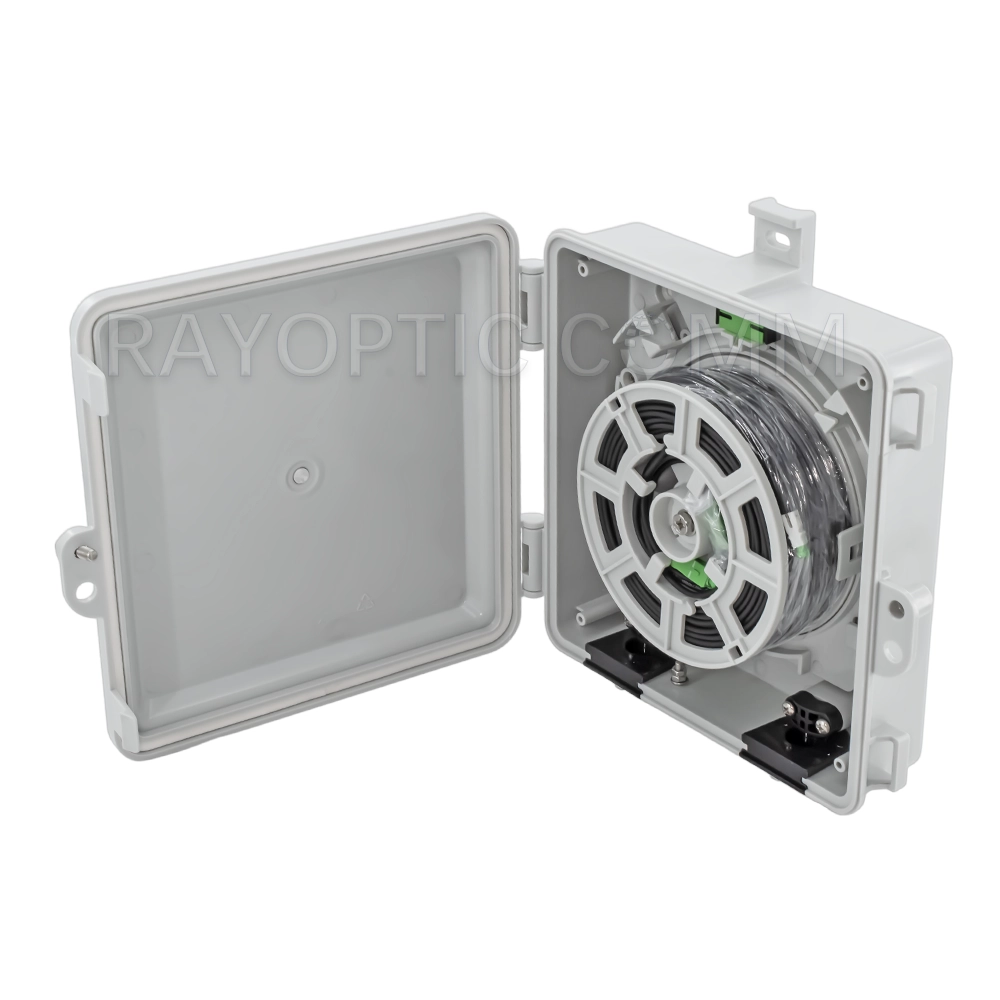
Simple operation and high mechanical properties.

Products are 100% in line with international IEC standards

Design products for different scenarios according to different construction environments to help construction improve work efficiency and reduce construction difficulty.

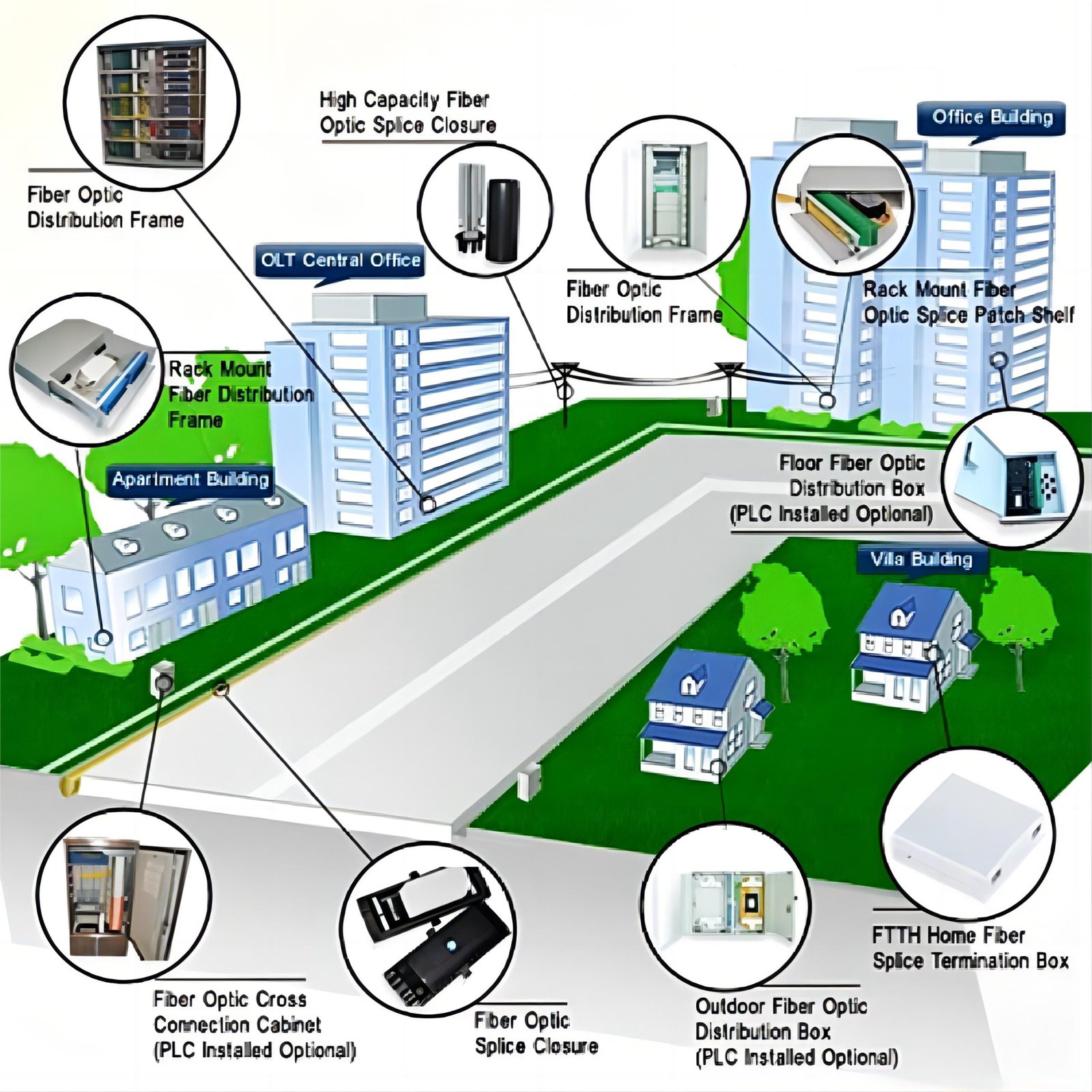
Fibre to the Home (FTTH), sometimes known as Fibre to the Premises (FTTP), is a broadband internet connection technology that uses optical fibre to deliver high-speed broadband internet directly to individual buildings such as households, apartment complexes, and businesses. Unlike traditional twisted pair or coaxial cable networks, fibre optic cables made of thin strands of glass or plastic fibres can transmit data over long distances using light signals that are less prone to interference and signal loss as their copper counterparts. The characteristics guarantee much faster and more efficient data transmission compared to traditional broadband networks and make FTTH an ideal choice for providing internet access to residential and commercial customers in urban, suburban, and rural areas.
The architecture of an FTTH network typically consists of a central office or hub, which hosts the equipment that connects the network to the internet. From there, the signal is sent over optical fibre cables to a distribution point, where it is then distributed to individual customers through a network of fibre optic cables.
The core components of an FTTH network include:
Optical fibre cable
Optical network terminals (ONTs)
Optical line termination (OLT) equipment
Passive optical splitters
Distribution frames
FTTH works by running optical fibre strands all the way to the internet service provider’s network to the customer’s house. This fibre optic cable is then connected to a device called an optical network terminal (ONT), which converts the incoming light signals into electrical signals.
From there, the electrical signals are distributed throughout the home using Ethernet or other wired or wireless technologies.
With our expertise in fiber optic connectivity, we deliver reliable, scalable, and tailored solutions to help you stay ahead in a fast-moving market.


 3F, Building E, Dahong Science Park,
Baihua Community, Guangming District,
Shenzhen, Guangdong 518107, China
Copyright © 2026 Rayoptic Communication Co., Ltd. – Fiber Optic Connection All Rights Reserved.
 English English
 Spanish English English Spanish