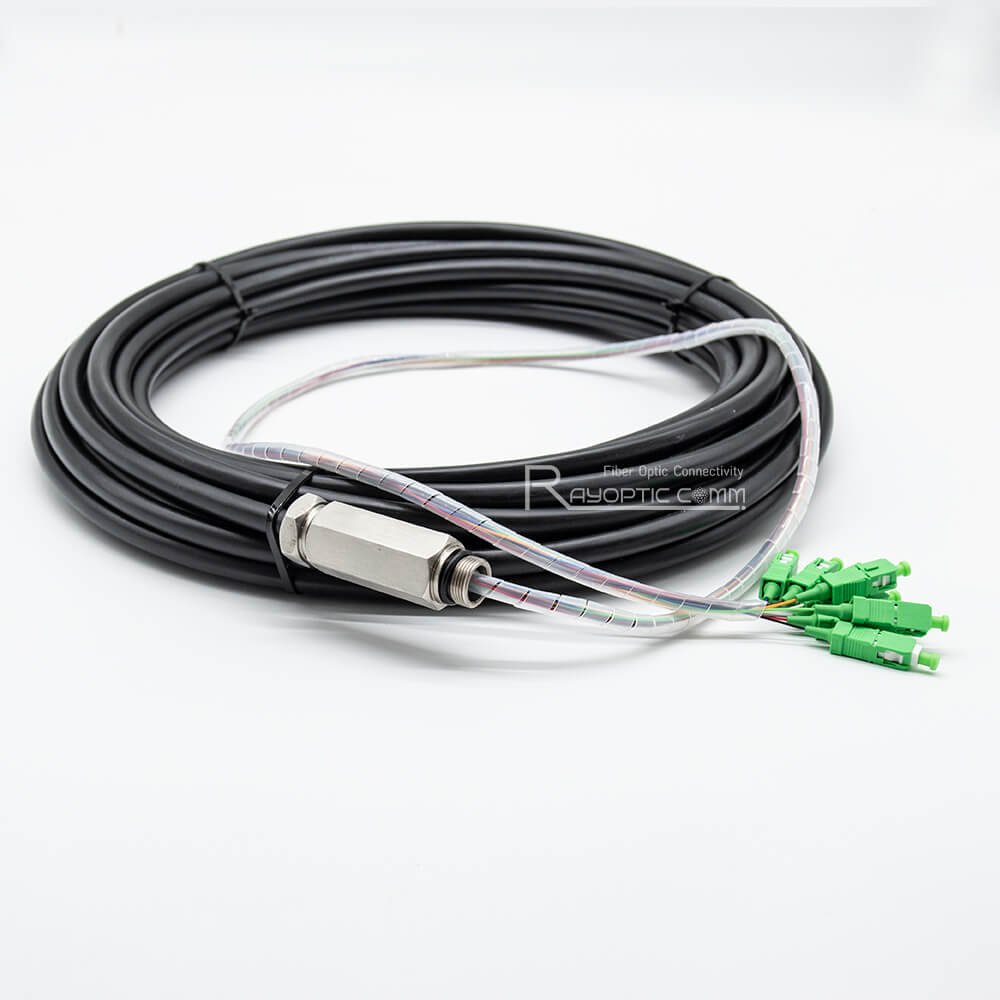
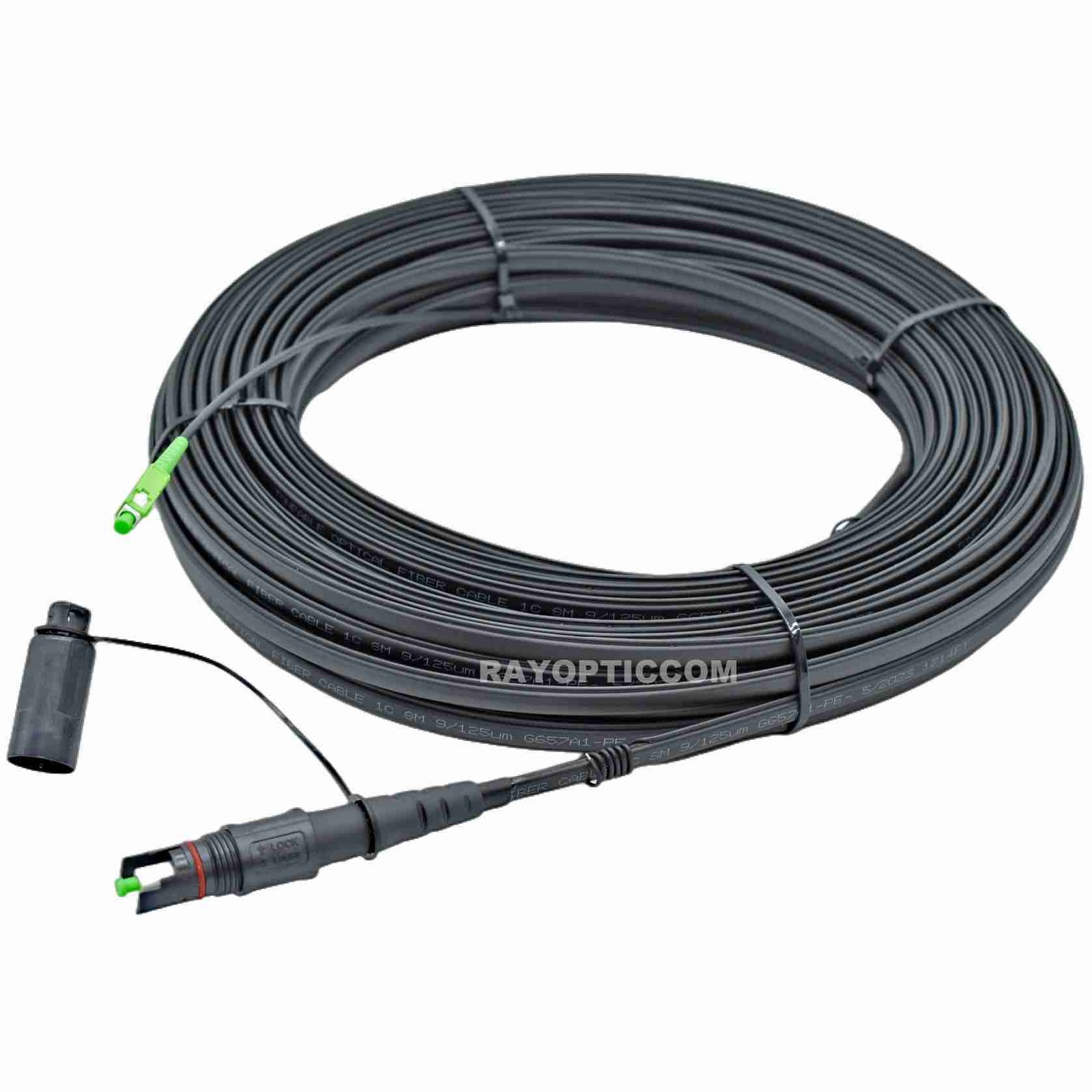
A Fiber Optic Patch Cable is a key connector used in a variety of fiber optic networks to connect different components, such as switches, patch panels, and network devices. These cables ensure the transmission of data signals over both long and short distances with high-speed and minimal interference.
A fiber optic patch cable is a pre-terminated fiber cable that connects two network devices or components. The cable is fitted with connectors at each end, ensuring quick and reliable connectivity without the need for splicing.
Single-mode fiber patch cables are ideal for long-distance data transmission. They utilize a narrow core that allows light to travel a straight path, reducing signal loss and ensuring stable, long-range communication.
Multimode fiber optic patch cables are designed for short-distance communication and data transfer. With a wider core, they allow multiple light modes to propagate through the fiber, supporting high-speed data transmission over short distances.
Armored fiber patch cables are built with a protective layer to withstand harsh environments. These cables are resistant to damage from rodents, mechanical stress, and external factors, making them suitable for outdoor and industrial applications.
Applications: Outdoor installations, industrial facilities, and areas prone to physical damage.
In modern data centers, fiber optic patch cables are critical for connecting high-speed switches, servers, and storage systems. Their high bandwidth and low latency capabilities ensure efficient data transfer.
Fiber optic patch cables are used extensively in telecom networks for long-distance and high-speed communication. They provide a stable and reliable connection for transmitting large volumes of data across cities and countries.
In FTTH applications, fiber optic patch cables link the network provider’s infrastructure to the customer’s home. They ensure high-speed internet and data services, supporting everything from video streaming to cloud services.
Indoor vs Outdoor: For outdoor applications, armored or waterproof jackets are essential to protect the cable. For indoor use, standard or flame-retardant jackets may suffice.
The Fiber Optic Patch Cable is an essential part of modern high-speed networks. With the right selection of cable type, connector, and jacket, you can ensure optimal network performance for applications ranging from data centers to telecommunications and FTTH. Their high bandwidth, low signal loss, and immunity to electromagnetic interference make them the ideal solution for long-term, reliable connectivity.
With our expertise in fiber optic connectivity, we deliver reliable, scalable, and tailored solutions to help you stay ahead in a fast-moving market.


 3F, Building E, Dahong Science Park,
Baihua Community, Guangming District,
Shenzhen, Guangdong 518107, China
Copyright © 2026 Rayoptic Communication Co., Ltd. – Fiber Optic Connection All Rights Reserved.
 English English
 Spanish English English Spanish