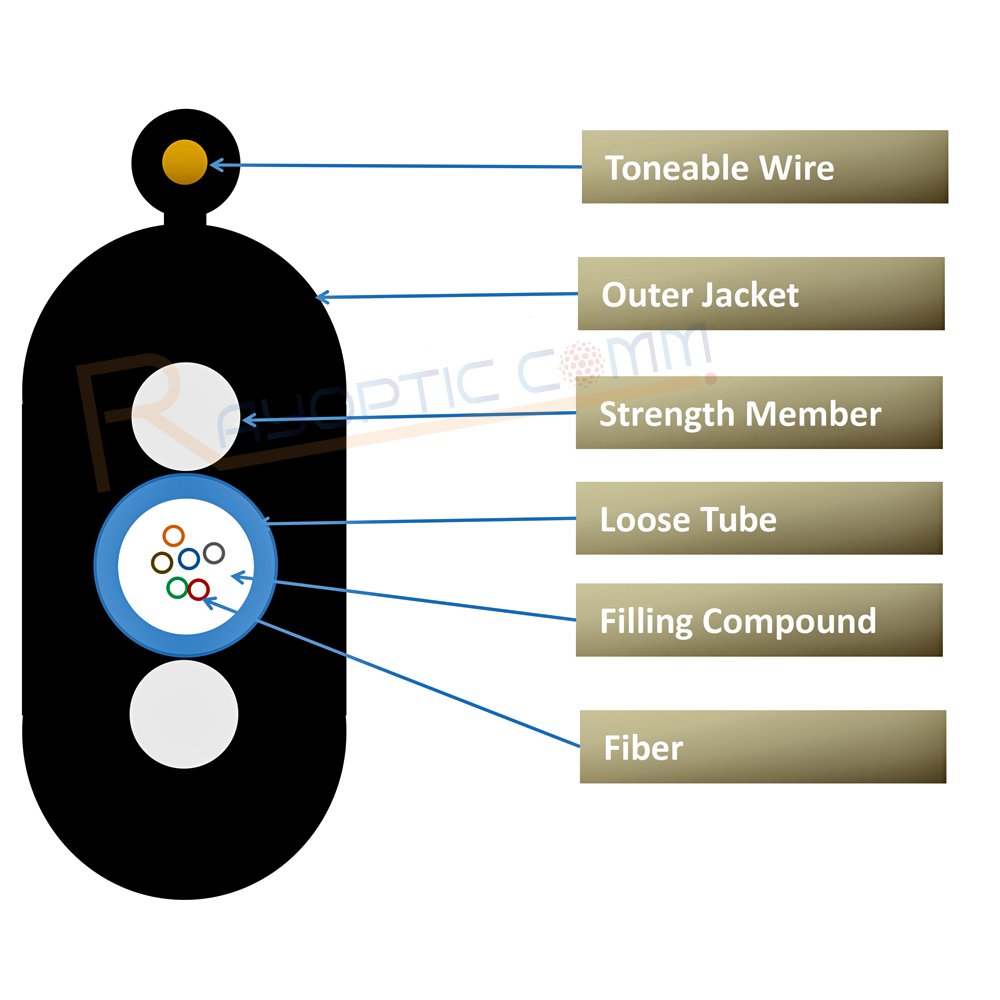
FTTH (Fiber to the Home) refers to a broadband network architecture that uses fiber optic cables to deliver high-speed internet directly to residential homes and businesses. This technology provides unmatched bandwidth, enabling users to enjoy seamless online experiences, from streaming and gaming to telecommuting and smart home applications.
What is FTTH Fiber?
FTTH fiber involves the installation of fiber optic cables that extend all the way from the central office (CO) or distribution point directly to the user’s premises. Unlike traditional copper lines, FTTH ensures higher speeds and greater reliability, making it an ideal choice for modern internet demands.
Key Benefits of FTTH Fiber:
- High-Speed Internet: FTTH connections offer speeds that can reach up to 1 Gbps or more, allowing for fast downloads, smooth video streaming, and efficient online gaming.
- Reliable Performance: Fiber optics are immune to electromagnetic interference and environmental factors, providing consistent performance even during peak usage times.
- Future-Proofing: With the growing demand for higher bandwidth applications, FTTH is designed to support future upgrades and evolving technologies, ensuring longevity and scalability.
- Enhanced Services: FTTH enables advanced services such as 4K/8K streaming, virtual reality applications, and smart home technologies, all of which require substantial bandwidth.
Components of FTTH Networks:
- Optical Line Terminal (OLT): Located at the service provider’s central office, the OLT connects to multiple homes and manages data traffic.
- Optical Network Terminal (ONT): Installed at the customer’s premises, the ONT converts optical signals into electrical signals for use by devices within the home.
- Distribution Network: This includes fiber optic cables, splitters, and connectors that facilitate the connection from the OLT to the ONT.
FTTH Fiber Technologies:
- GPON (Gigabit Passive Optical Network): A popular FTTH technology that efficiently shares bandwidth among multiple users, making it cost-effective for service providers.
- EPON (Ethernet Passive Optical Network): Similar to GPON, this technology uses Ethernet frames, providing flexibility and ease of integration with existing networks.
Applications of FTTH Fiber:
- Residential Broadband: FTTH is ideal for households seeking high-speed internet access for multiple devices and applications.
- Business Connectivity: Small and medium-sized enterprises benefit from reliable internet connectivity that supports cloud services and remote work.
- Smart Cities: FTTH supports the infrastructure needed for smart city applications, such as connected public services and IoT devices.
Rayoptic’s FTTH Fiber Solutions:
At Rayoptic, we offer a comprehensive range of FTTH fiber products, including:
- Pre-connectorized Drop Cables for easy installation and connectivity.
- Hardened SCAPC connectors for durability in outdoor environments.
- Multiport Service Terminal Boxes for efficient management of fiber connections in residential areas.
All our FTTH products meet stringent quality standards, including ISO 9001:2015, ensuring reliable performance and customer satisfaction.
For more information on how FTTH fiber solutions can enhance your internet connectivity, contact Rayoptic today!


 3F, Building E, Dahong Science Park,
 English
 Spanish