Fiber Optic Cable

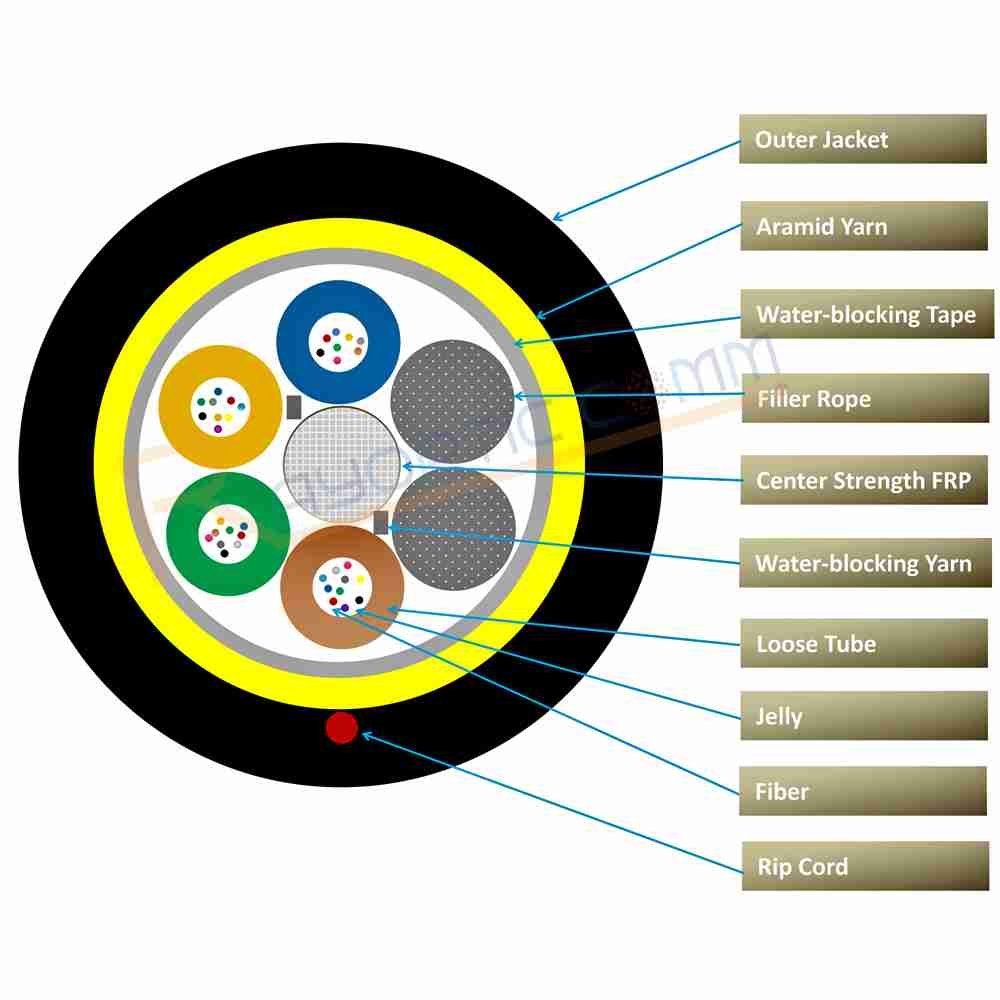
adss fiber optic cable rayoptic

Fiber Optic Cable ADSS Single Jacket PE Span 50 to 200M

All-dielectric self-supporting (ADSS) cable is a type of optical fiber cable that is strong enough to support itself...
fiber optic cable

Fiber Optical Cable Flat Drop Toneable Gel-Free Dry FTTP FTTH

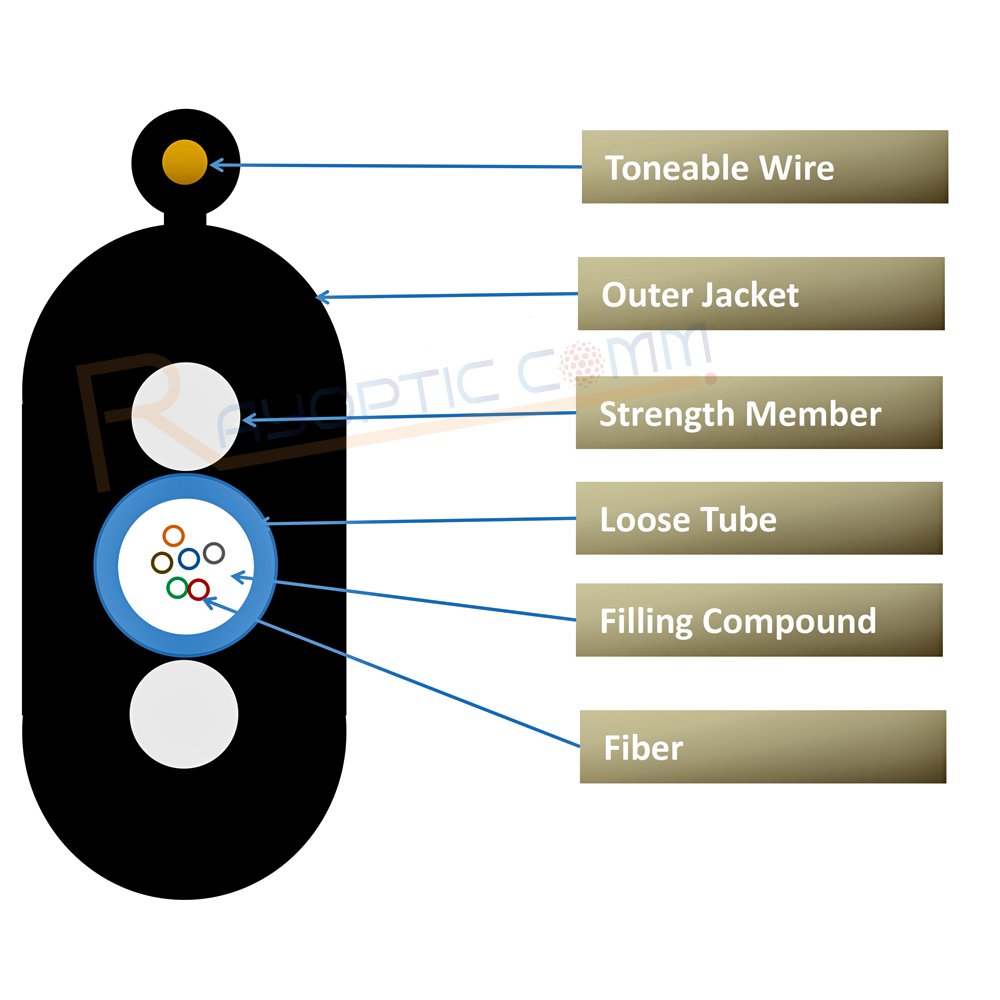
Fiber optical cable toneable flat drop is designed for self-supporting, direct-buried and duct installations. Ideal for drop...
toneable flat drop cable cross section Rayoptic

Fiber Optic Flat Drop Cable Toneable Gel-Filled Direct Bury FTTP FTTH

Toneable Flat Drop Cable is designed for self-supporting, direct-buried and duct installations. Ideal for drop applications, offering ease...

Fiber optic cable is a technology that uses thin strands of glass or plastic (fibers) to transmit data as pulses of light. This innovative method of data transmission offers a multitude of benefits over traditional copper cabling, making it the preferred choice for high-speed internet, telecommunications, and data center applications.

What is Fiber Optic Cable?

Fiber optic cables consist of a core, cladding, and protective outer layer. The core is the central part of the cable that carries the light signals, while the cladding reflects light back into the core, allowing for efficient signal transmission. The protective outer layer shields the fibers from environmental damage and physical stress.

Key Types of Fiber Optic Cables:

  1. Single-Mode Fiber (SMF):

    • Description: Features a small core diameter (typically 8-10 microns) that allows only one mode of light to propagate.
    • Applications: Ideal for long-distance communication (up to 80 km or more), commonly used in telecommunications and backbone networks.
    • Advantages: Lower attenuation and higher bandwidth capabilities.
  2. Multi-Mode Fiber (MMF):

    • Description: Has a larger core diameter (50 or 62.5 microns), allowing multiple modes of light to propagate simultaneously.
    • Applications: Suitable for short-distance applications, such as within data centers or campus networks (up to 300 meters).
    • Advantages: Generally lower cost and easier to install compared to single-mode fiber.
  3. Armored Fiber Optic Cable:

    • Description: Includes an additional protective layer to prevent physical damage, ideal for harsh environments.
    • Applications: Used in industrial settings, outdoor installations, and locations prone to rodent damage.
  4. Loose-Tube Fiber Optic Cable:

    • Description: Contains multiple fibers encased in a protective tube, allowing for expansion and contraction without affecting performance.
    • Applications: Typically used for outdoor installations where temperature fluctuations occur.
  5. Tight-Buffered Fiber Optic Cable:

    • Description: Features fibers that are coated with a protective buffer, allowing for easier handling and installation.
    • Applications: Commonly used for indoor applications and within buildings.

Advantages of Fiber Optic Cable:

  • High Bandwidth: Capable of supporting high-speed data transfer rates, making it suitable for modern internet applications, including video streaming and cloud services.
  • Long-Distance Transmission: Fiber optic cables can transmit signals over long distances without significant signal loss, making them ideal for telecommunications and networking.
  • Immunity to Electromagnetic Interference: Unlike copper cables, fiber optics are not affected by electromagnetic interference, providing more reliable connectivity.
  • Security: Fiber optic signals are difficult to tap into without detection, making them a more secure option for sensitive data transmission.

Applications of Fiber Optic Cable:

  • Telecommunications: Backbone infrastructure for phone and internet services.
  • Data Centers: Essential for high-speed interconnections between servers, switches, and storage systems.
  • Broadband Networks: FTTH (Fiber to the Home) implementations providing high-speed internet to residential areas.
  • Broadcasting: Used in video production and broadcasting for high-quality video transmission.

Rayoptic’s Fiber Optic Cable Solutions:

At Rayoptic, we offer a wide range of high-quality fiber optic cables tailored to meet the diverse needs of our B2B clients. Our product offerings include:

  • ROC Toneable Drop Cable for easy identification and installation.
  • GJYXCH FTTH Optical Drop Cable for reliable connections in residential environments.
  • GYFXBY SST Flat Drop Cable for non-toneable, gel-free applications.
  • ADSS Single Jacket Fiber Optic Cable designed for aerial installations.

All our fiber optic cables are manufactured to meet rigorous quality standards, including ISO 9001:2015, ensuring superior performance and customer satisfaction.

For more information on how Rayoptic’s fiber optic cables can enhance your network infrastructure, contact us today!

logo rayoptic comm
* We respect your privacy. When you submit your contact information, we agree to only contact you in accordance with our Privacy Policy.
TYPE TO SEARCH