Fiber Optic Cable Assembly

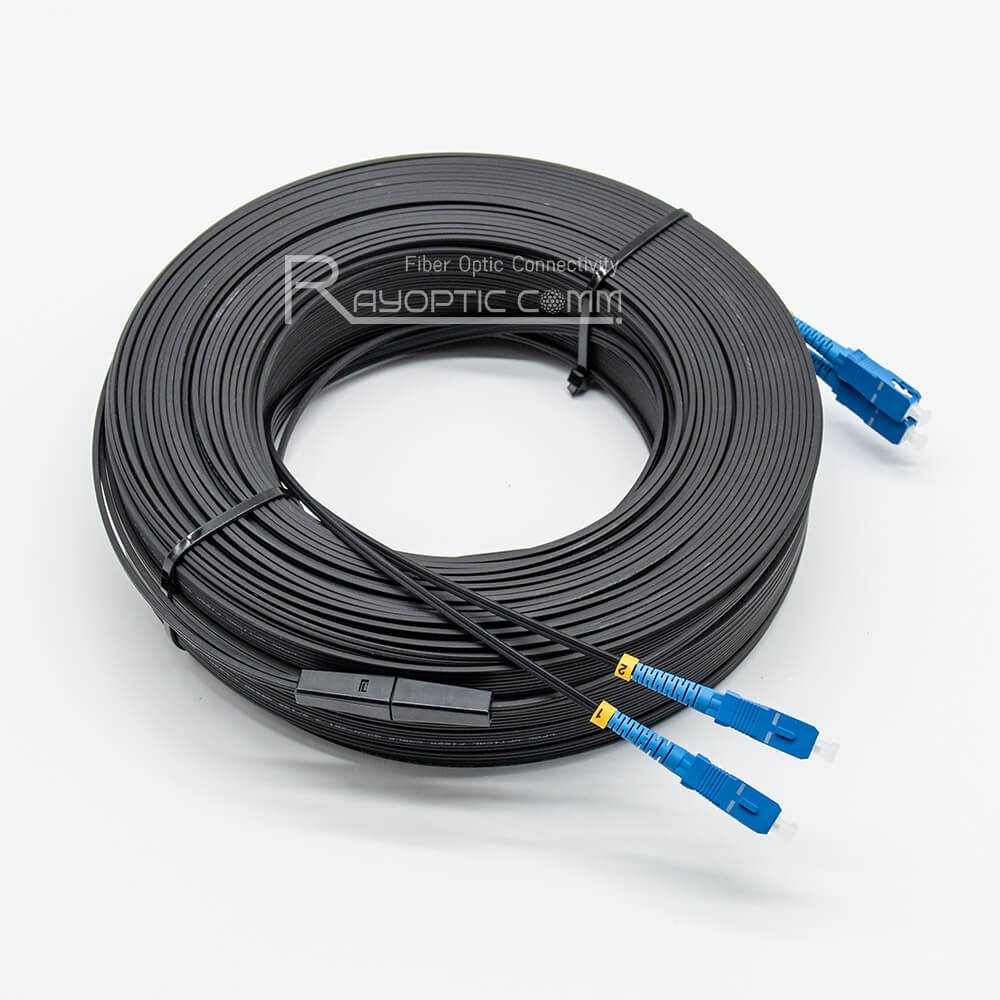
pre-terminated SC/UPC FTTH drop cable with figure 8 design

FTTH Drop Cable Pre Terminated SCUPC Patch Cable

Pre-terminated FTTH drop cable with SC/UPC connectors for fast plug-and-play installation. Ideal for ONTs, patch panels, and indoor/outdoor...
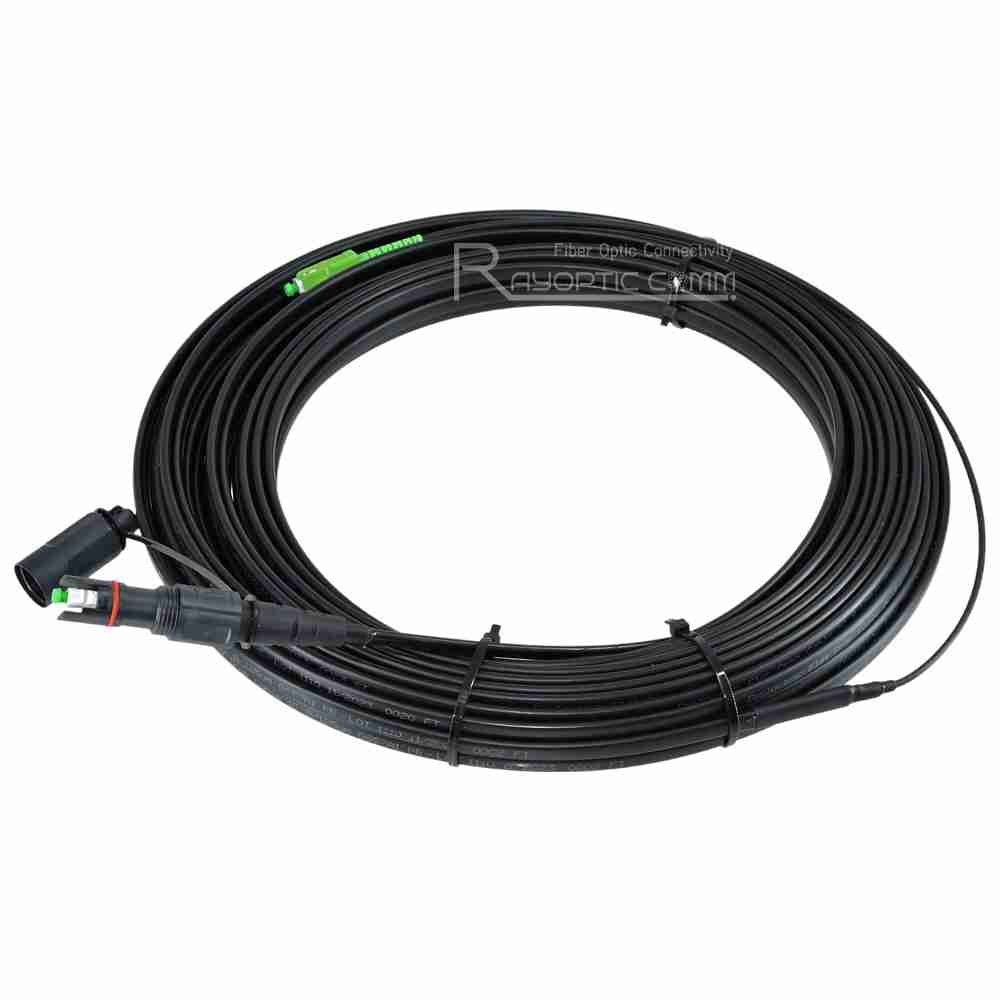
ROC DROP flat cable terminated with Optitap SCAPC and regular SCAPC,Factory limited-time offer

HFOC SCAPC TO SCAPC ROC Drop Toneable 1Fiber Patch Cables Fiber Connectivity

ROC Drop HFOC SCAPC SM Toneable ROC Drop Patch Cables connect new subscribers to the access network. They...
optitap scapc to stub toneable flat drop cable fiber optic

SuperTap SCAPC to Stub End Toneable Flat Drop Cables

The Pre-terminated flat drop cables connect new subscribers to the access network. They are easily pluggable into the...
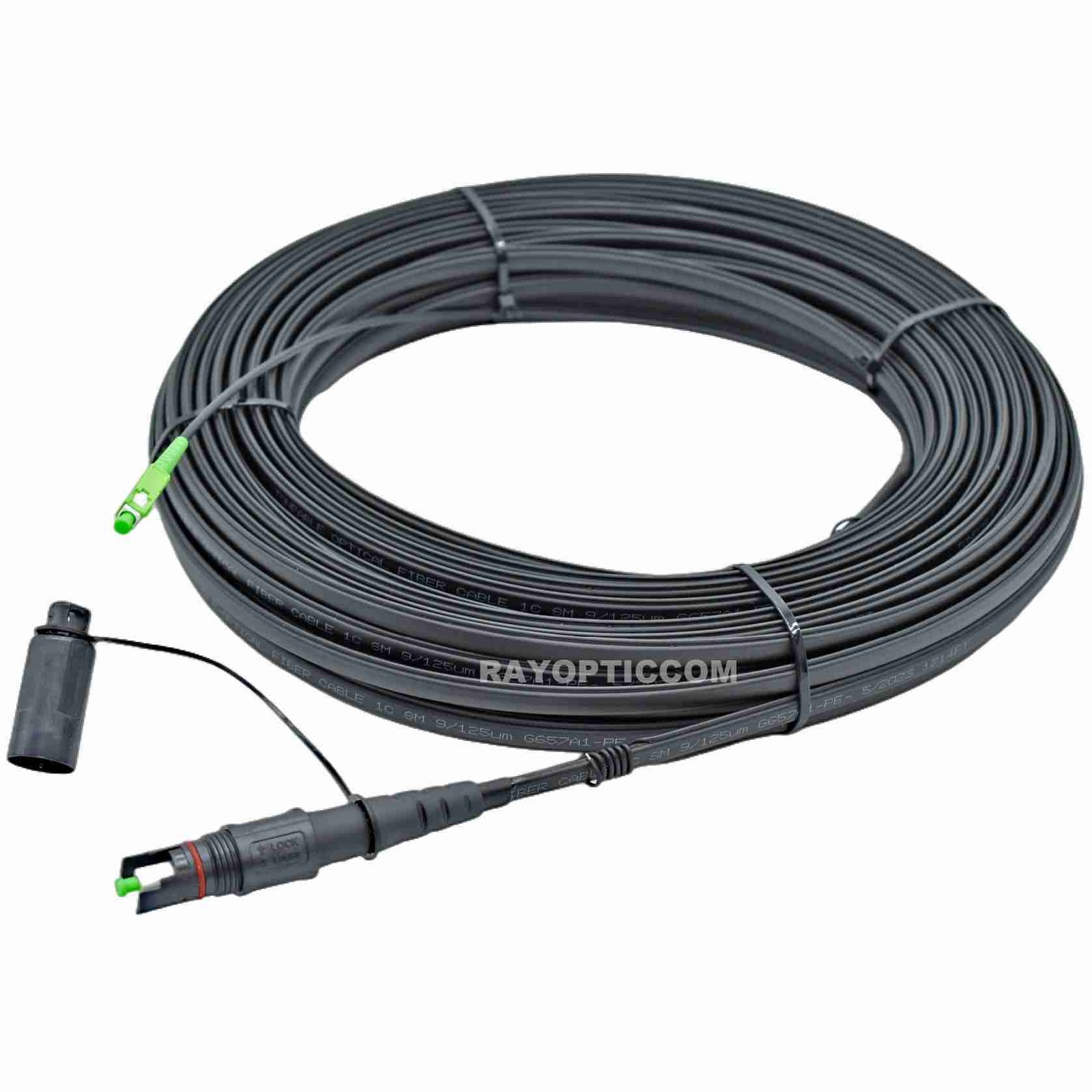
Hardened SCAPC to SCAPC Dielectric Flat Drop Cable Fiber Patchcord

Hardened SCAPC to SCAPC Dielectric Flat Drop Cable Fiber Patchcord

Hardened Fiber Optic Connector (HFOC) is a robust, durable type of fiber optic connector designed for use in...
FHD flat drop fiber optic patch cable with OptiTap to SC/APC connectors for FTTH outdoor network deployment

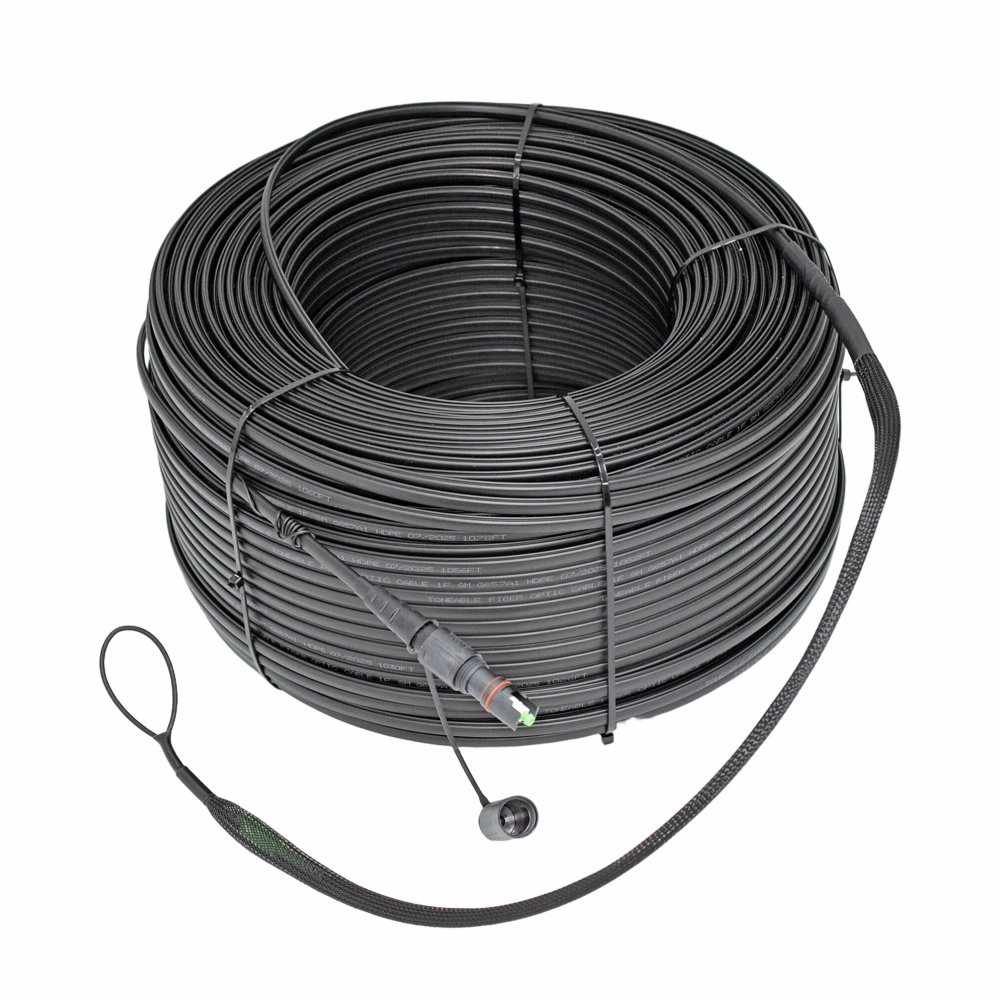
Hardened SCAPC to SCAPC Toneable Located Flat Drop Cable with Pulling Eye

The Pre-terminated H Connector SM Toneable Flat Drop Patch Cables connect new subscribers to the access network. They...
optitap to scapc toneable 1fiber g657a1 fiber optic patchcord

Hardened SCAPC to SCAPC Toneable Flat Drop Cable Fiber Optic Patchcord

Hardened SCAPC Drop Cable pre-terminated optical drop cables seamlessly connect new subscribers to the access network. Factory-installed connectors...

1. Fiber Optic Cable Assembly: An Essential Component in Network Infrastructure

Fiber optic cable assemblies are pre-terminated fiber cables used in various fiber optic communication applications. They are designed to provide reliable, high-performance connections between network equipment, patch panels, and devices, enabling efficient data transmission over long distances.

1.1 What is a Fiber Optic Cable Assembly?

A fiber optic cable assembly consists of a fiber optic cable pre-terminated with connectors on one or both ends. These assemblies are used to connect two or more network devices and allow for quick, easy installation without the need for splicing or field termination.

  • Common Connector Types: SC, LC, MPO, ST.
  • Cable Types: Single-mode for long distances, multimode for short distances.

1.2 Key Features of Fiber Optic Cable Assemblies

  • High Bandwidth: Fiber optic cable assemblies provide higher bandwidth compared to traditional copper cables, making them suitable for data-intensive applications.
  • Low Signal Loss: Fiber optic cables minimize signal attenuation, enabling long-distance transmission with minimal degradation.
  • Immunity to Electromagnetic Interference: Fiber cables are resistant to EMI, making them ideal for environments with electrical noise.
  • Durability: Designed to withstand harsh environments, fiber optic assemblies often come with ruggedized jackets, bend insensitivity, and water resistance.

2. Types of Fiber Optic Cable Assemblies

2.1 Single-Mode Fiber Optic Cable Assemblies

Single-mode fiber optic assemblies are optimized for long-distance data transmission. They have a smaller core, allowing light to travel in a straight path, reducing signal loss over extended distances.

  • Applications: Telecommunications, long-haul networks, and intercontinental data links.
  • Wavelengths: Operates at 1310 nm and 1550 nm wavelengths.

2.2 Multimode Fiber Optic Cable Assemblies

Multimode fiber optic assemblies are best suited for short-distance applications. With a larger core, they allow multiple modes of light to travel through the fiber, supporting high-speed transmission over shorter distances.

  • Applications: Data centers, Local Area Networks (LANs), enterprise networks.
  • Types: OM1, OM2, OM3, OM4, with increasing levels of performance.

2.3 Armored Fiber Optic Cable Assemblies

Armored fiber optic cable assemblies are designed for high-durability applications. These assemblies include an additional protective layer, making them resistant to physical damage, rodents, and harsh environmental conditions.

  • Applications: Industrial environments, outdoor installations, and locations prone to mechanical stress.

3. Applications of Fiber Optic Cable Assemblies

3.1 Telecommunications Networks

Fiber optic cable assemblies are widely used in telecommunications for long-distance communication and internet backbone systems. They provide a stable and reliable connection for transmitting data at high speeds.

3.2 Data Centers

In data centers, fiber optic cable assemblies connect switches, servers, and storage systems. They ensure the high-speed transmission of data within the network, enabling low-latency communication.

3.3 FTTH (Fiber to the Home)

Fiber optic cable assemblies are critical in FTTH deployments, linking service providers’ infrastructure to residential homes. They offer high-speed internet and enable services like video streaming, cloud computing, and gaming.

4. Choosing the Right Fiber Optic Cable Assembly

4.1 Connector Type

  • SC, LC, ST, MPO: Choose the appropriate connector based on your network’s requirements and device compatibility.
  • Connector Polishing: Options include UPC and APC, each affecting the return loss and optical performance.

4.2 Cable Type

  • Single-Mode: Best for long-distance applications, such as in telecommunications or between data centers.
  • Multimode: Ideal for shorter distances, such as within a data center or enterprise network.

4.3 Jacket Material

  • Indoor vs. Outdoor: For outdoor applications, rugged, armored, or waterproof jackets may be necessary. Indoor cables can use standard or flame-retardant materials
logo rayoptic comm
* We respect your privacy. When you submit your contact information, we agree to only contact you in accordance with our Privacy Policy.
TYPE TO SEARCH