Simple operation and high mechanical properties.

Products are 100% in line with international IEC standards

Design products for different scenarios according to different construction environments to help construction improve work efficiency and reduce construction difficulty.
Modern data centers are rapidly moving toward higher port density and faster upgrade cycles driven by 100G/400G/800G (and beyond) network architectures. To support these deployments, cabling systems must deliver consistent optical performance, simplified cable management, and scalable high-density connectivity across switches, servers, and structured cabling zones.
At Rayoptic, we provide a complete portfolio of data center cabling and high-density fiber connectivity, covering MPO/MTP jumper, harness, and trunk assemblies, as well as end-to-end infrastructure components like Fiber Optic Patch Panel solutions and Rack Panel integration for clean and efficient deployments.
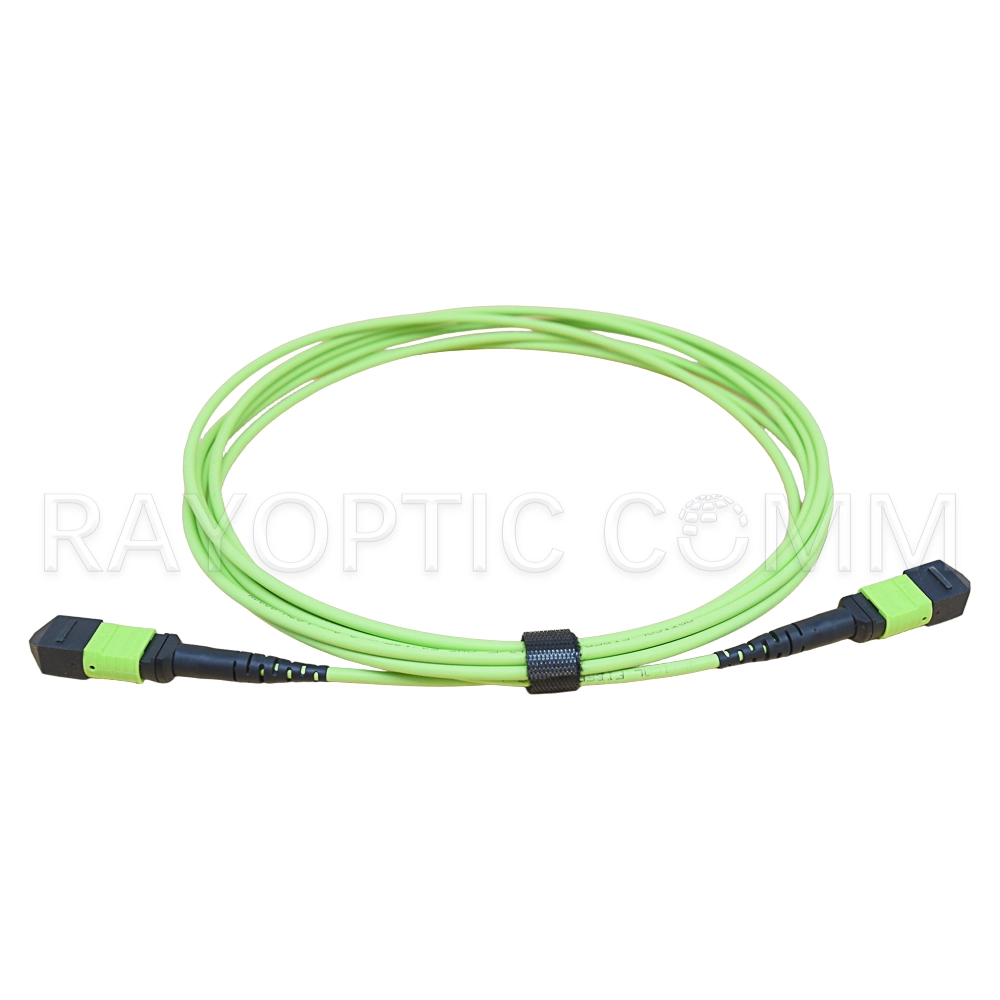
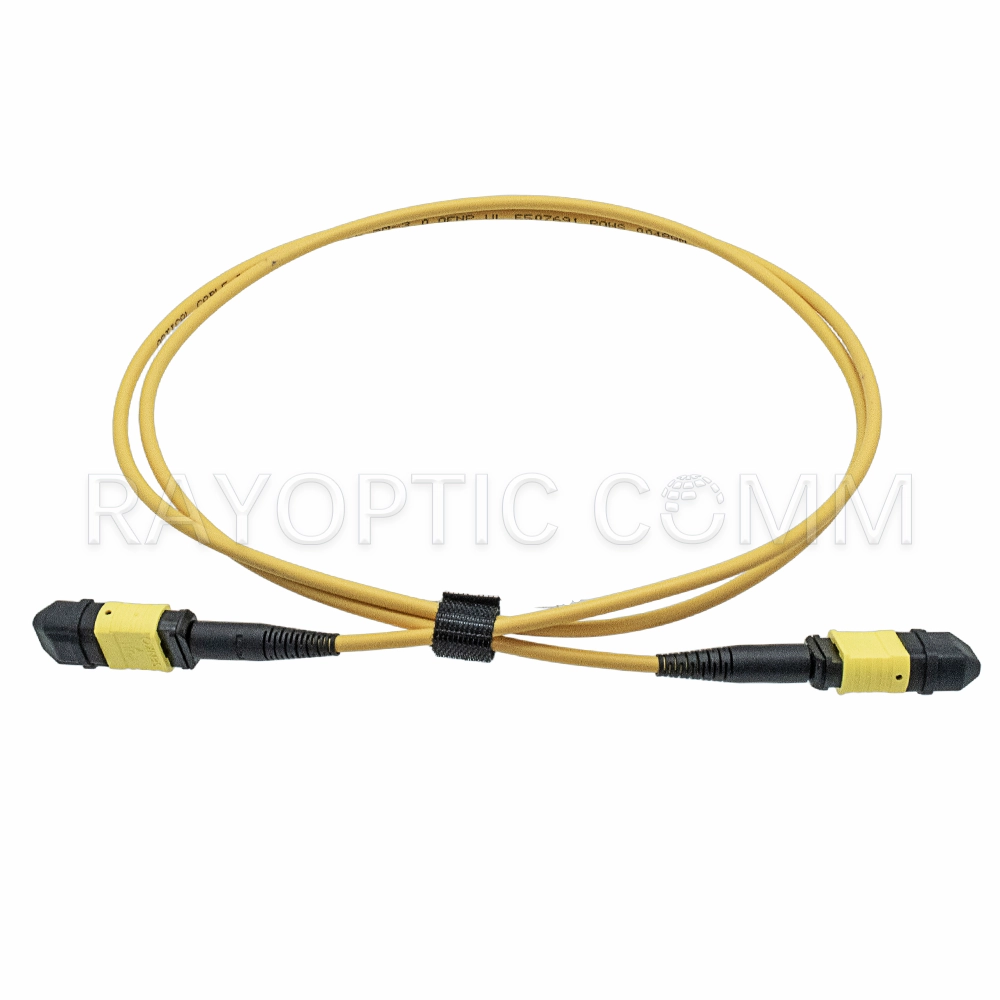
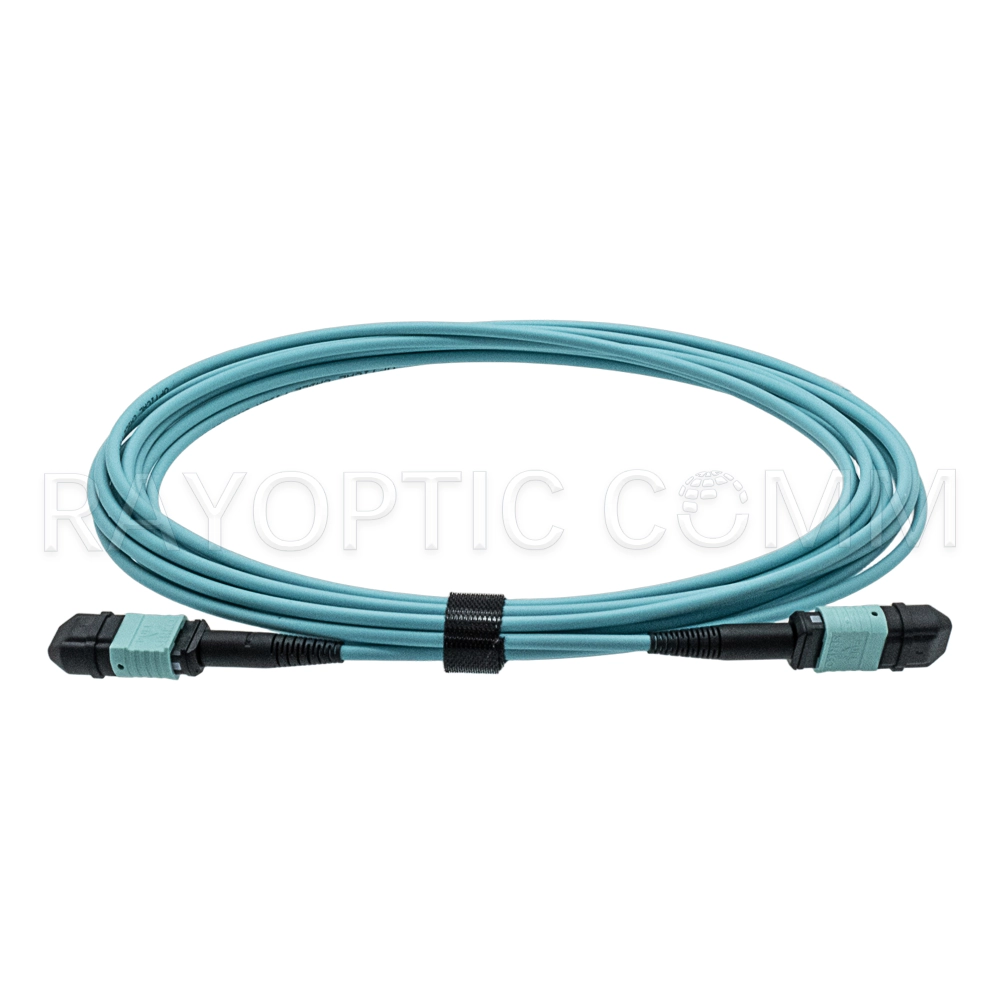
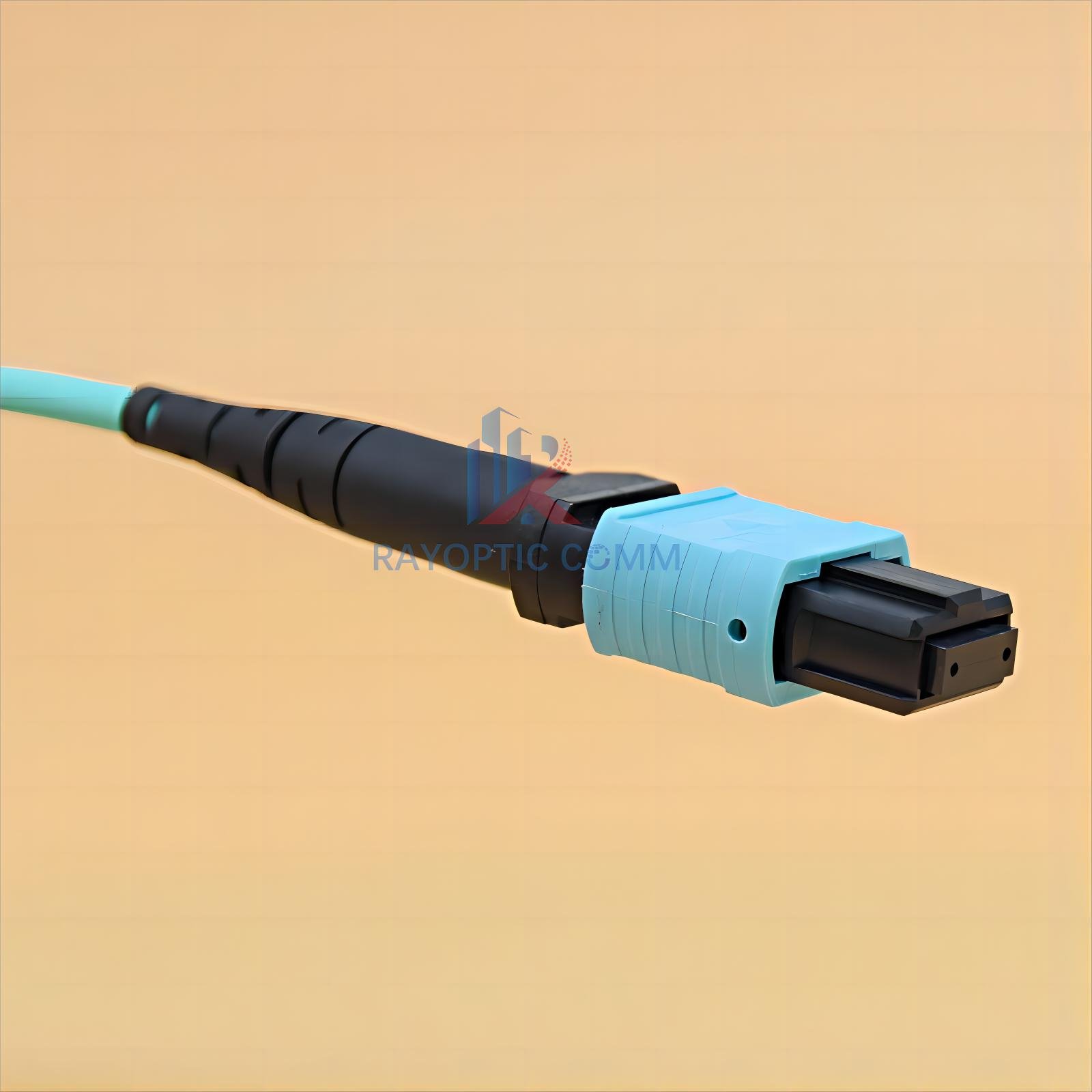
MPO/MTP jumpers are ideal for short interconnects between active equipment and patch panels, helping reduce clutter while maintaining organized routing in high-density racks.
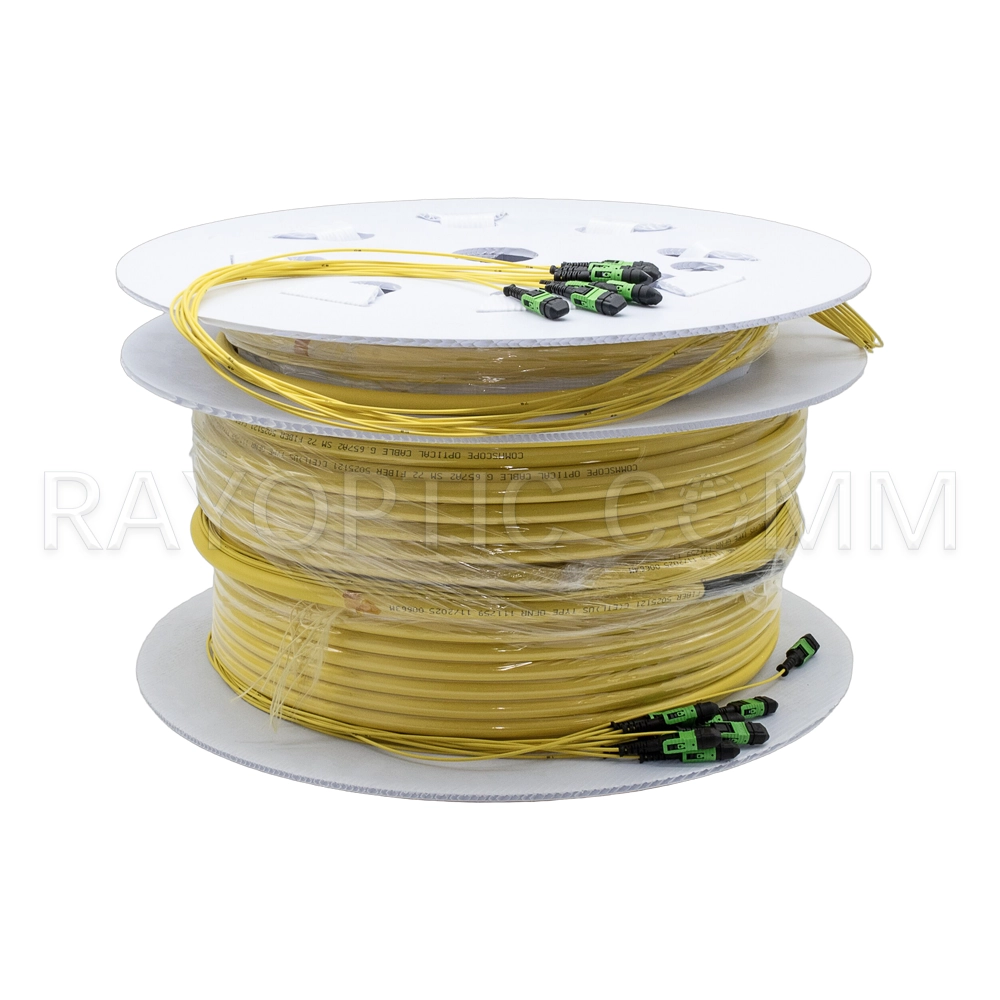
Trunk cables deliver scalable backbone connectivity between patch panels, MDA/HDA/EDA zones, and cross-connect areas. They are commonly used for structured cabling builds and fast expansion of spine-leaf networks.
Harness cables (also known as breakout cables) bridge MPO/MTP to LC, SN, or CS interfaces—perfect for migrating from parallel optics to duplex connectivity, or for connecting high-density switch ports to duplex server links.
We support common configurations such as:
MPO/MTP to LC harness
MPO/MTP to SC harness
MPO/MTP to SN harness
Trunk + cassette + LC/SN/SC patching architectures
To meet demanding insertion loss and reliability expectations, we offer connector options aligned with high-density data center requirements, including:
Senko MPO-PLUS® Standard Connector (for MPO/MTP assemblies)
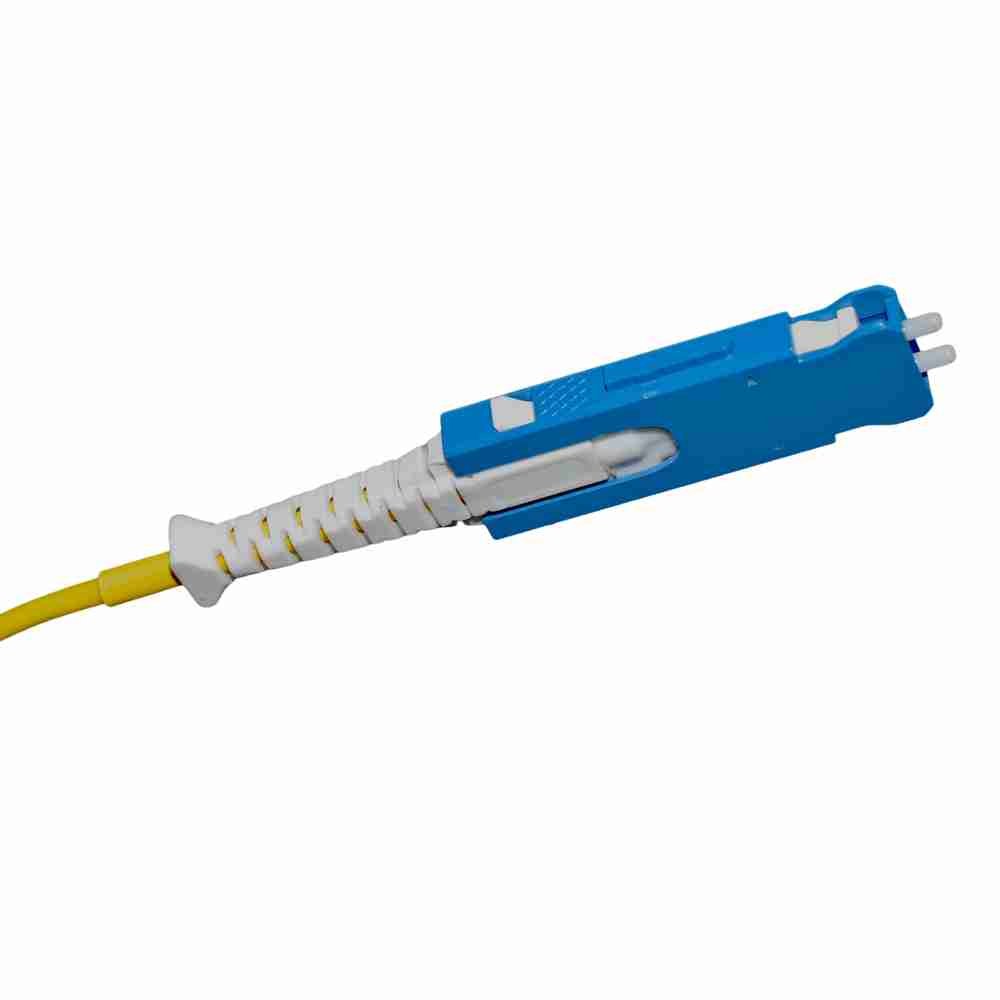
SN Connector (VSFF high-density duplex)
CS Connector (VSFF duplex for high-density panels)
LC Uniboot Connector (reduced cable diameter, improved polarity management, cleaner routing)
These options help optimize space utilization and airflow within racks while enabling fast, technician-friendly moves/adds/changes.
As data centers push beyond traditional LC density limits, VSFF connectivity becomes increasingly important. SN and CS connectors provide a compact interface that helps increase patching density and improve cable management in crowded environments—especially for high port-count leaf switches and high-density cross-connect fields.
VSFF cabling is well-suited for:
High-density switch patching
Zone distribution areas
Migration planning for future higher-density architectures
Cabling performance depends on infrastructure design. In addition to cable assemblies, we support structured cabling builds with:
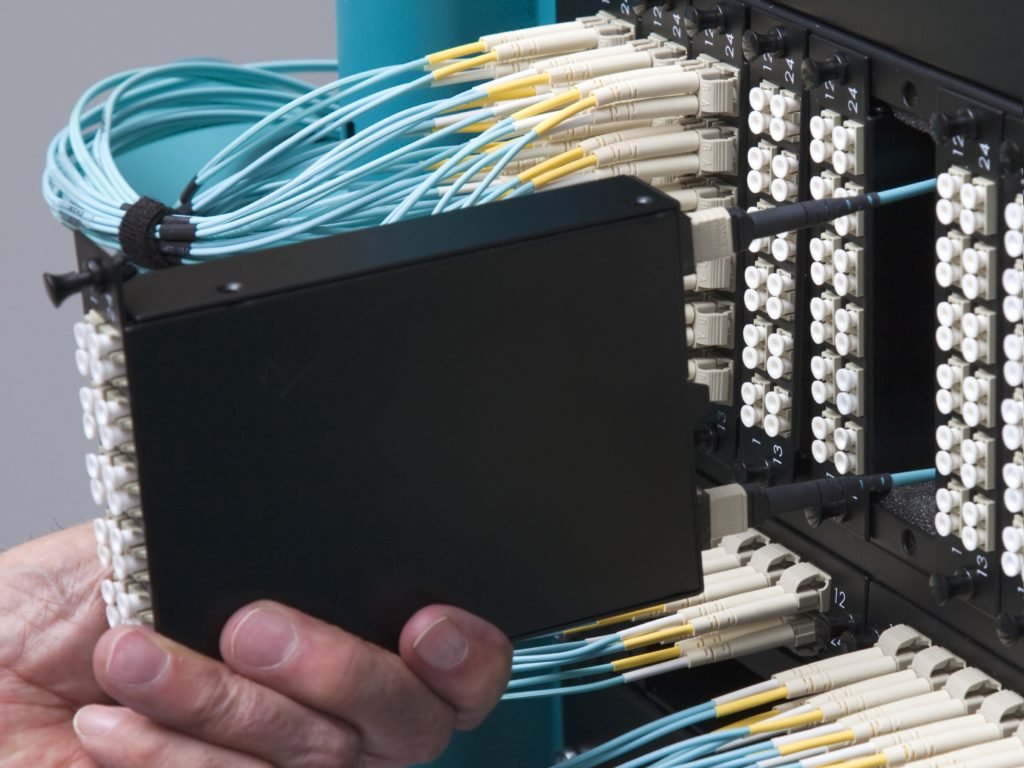
Fiber Optic Patch Panel solutions (high-density management for trunks, jumpers, and breakouts)
Rack Panel integration for organized patching, clear labeling, and simplified maintenance
Options for trunk termination, cassette-style deployments, and mixed-interface patching (MPO/MTP + LC/SN/CS)
This combination helps reduce installation time, improves serviceability, and supports clean cable routing for long-term operations.
Our data center cabling solutions are widely used in:
Leaf-spine switch architectures
100G/400G/800G backbone deployments
Structured cabling (MDA/HDA/EDA, cross-connect & interconnect)
Server-to-switch interconnects
Migration from legacy duplex to high-density parallel optics
High-density patching fields using VSFF (SN/CS)
Every data center has different rack layouts, routing distances, and polarity standards. We support customization for:
Fiber type (singlemode / multimode)
Length, labeling, and routing requirements
Connector combinations (MPO/MTP, LC Uniboot, SN, CS)
Harness/trunk configurations based on your patching architecture
Packaging options for export and jobsite-friendly installation
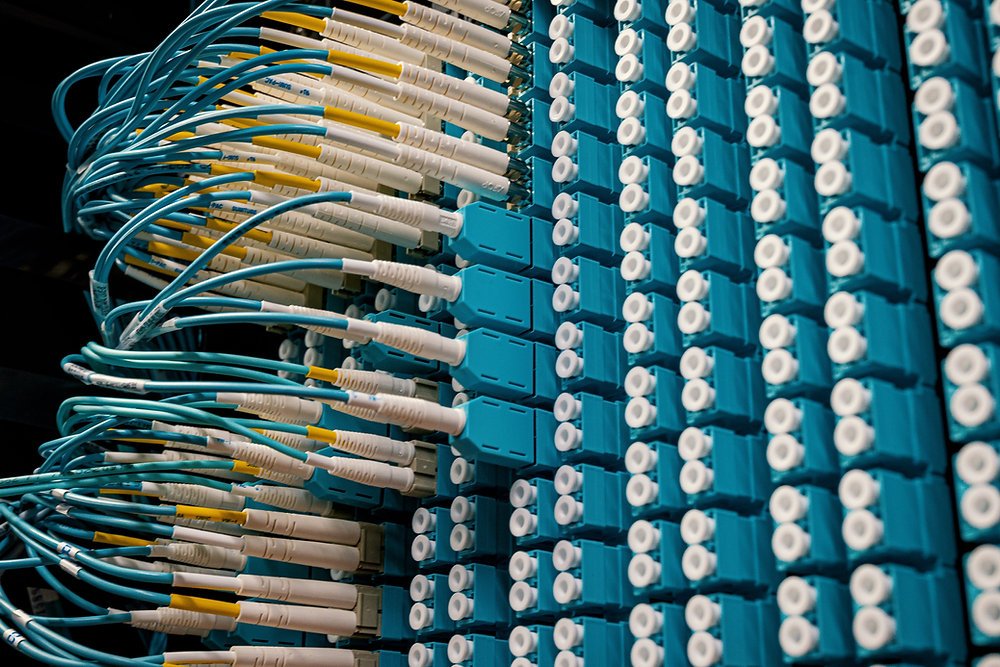
Data center cabling can be defined as the network of cables used in a typical data centre. There are two main data centre cable types: structured and unstructured.
Structured cabling design uses predefined data centre cabling standards, with pre-set connection points and pathways. It typically begins with testing to ensure good performance with the cables subsequently organised and labelled. While a structured cabling system may take longer to install and initially be more costly than an unstructured approach, overall operational costs are lower, and system lifespan longer.
Unstructured cabling does not use predefined data centre cabling standards, connection points, or pathways. The energy cost can be higher and cabling management can be difficult.
The connections to the Internet coming in from the outside world are going to be on singlemode fibers. Multimode fiber, either OM3 or the new OM4 and OM5 high bandwidth fibers, are likely to be used for MM connections.
SN,CS,LC connectors are used in the transceivers for their smaller size. Parallel optics and prefab cable assemblies use the MPO/MTP connector which has 12 or 24 fibers per connector.
With our expertise in fiber optic connectivity, we deliver reliable, scalable, and tailored solutions to help you stay ahead in a fast-moving market.


 3F, Building E, Dahong Science Park,
Baihua Community, Guangming District,
Shenzhen, Guangdong 518107, China
Copyright © 2026 Rayoptic Communication Co., Ltd. – Fiber Optic Connection All Rights Reserved.
 English English
 Spanish English English Spanish